Zhenzhen's AI Radar · MiniMax H3 · 2026-11-19 Evening Report
This issue features 7 new versions: Strongly Recommended 0 · Recommended 3 · Worth Watching 1 · Listed Only 3
Editor's Note This issue reviews 7 new versions of H3, with 3 rated A, 1 rated B, and 3 rated C. The top recommendation is the LoRA for the 1991 theatrical movie style from Ranma ½ 1/2: it adds hand-drawn outlines and retro color palettes typical of late-80 cel animation to videos, with 4 sample videos visible. The Daily Grind workflow, which combines common tasks and two-stage rendering into a single image, and the style LoRA released personally by artist Warushya are also rated A; KinetiX's new strobe afterimage slider has detailed weight descriptions but is paid and hides all examples, so it is rated B. Two workflows with only brief instructions and tutorials hosted off-site, as well as Darcey, which features only character lore and hides all examples, are rated C.
Recommended (3)
[A] Ranma ½ Classic Movie Style · v1
LoRA · New Model · Author OrioTysumi · Published 11-19 10:28 · Downloads 147
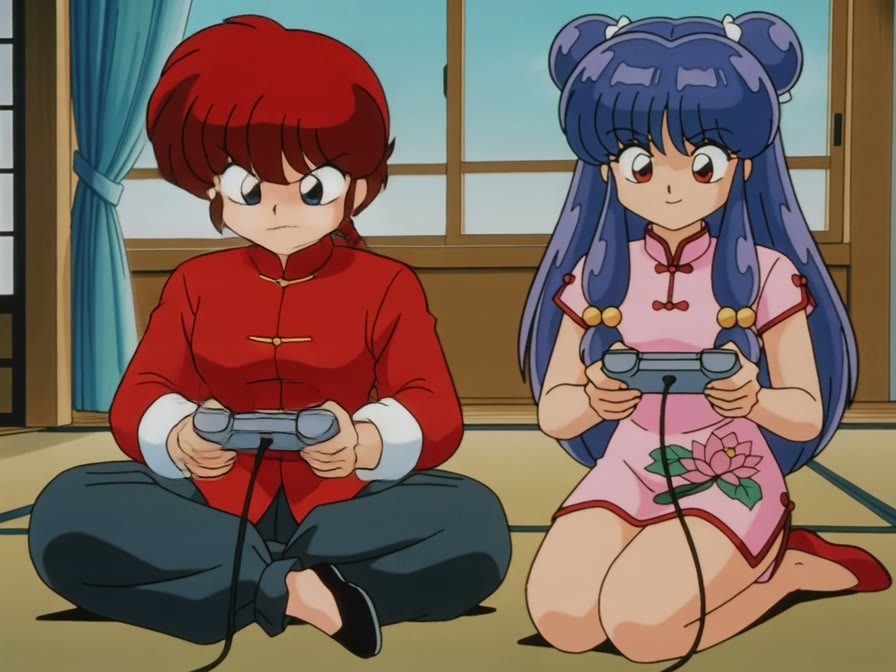
Give H3 videos the cel animation style of the 1991 Ranma ½ 1/2 theatrical movie, characterized by late-80 and early-90 aesthetics: hand-drawn outlines, retro color palettes, and theatrical lighting.
You can run the same prompt in both T2VA and reference image modes to see which one better achieves the desired retro feel.
Images
Reasons for Recommendation
- New style LoRA: The author states it was trained on 277 clips selected from the 1991 theatrical movie, aiming to recreate the hand-drawn lines, old color tones, and lighting of that era.
- Serves retro Japanese animation shorts: Direct text-to-video (T2VA) can create original characters and scenes; when aiming to match the original character designs, the author suggests using reference image mode.
- 4 sample videos are visible and free; approximately 10 hours after publication, it had 147 downloads (indicating popularity only).
How to Use
- Load the LoRA in an H3 workflow and describe the scene in the prompt; the author has not registered a trigger word.
- To recreate original characters, use reference image mode with character images; for original content, use T2VA directly.
- The author did not provide strength or step count recommendations.
Risks and Limitations
- Training materials come from a commercial animated film, and the license only allows on-site rental; consider copyright implications for commercial use.
- 4 sensitive-level examples are hidden.
- The description is very short, with no recommendations for strength or parameters.
[A] The Daily Grind - Minimax H3 Workflow · v1.0
Workflow · New Model · Author darkroast175696 · Published 11-19 11:34 · Downloads 72
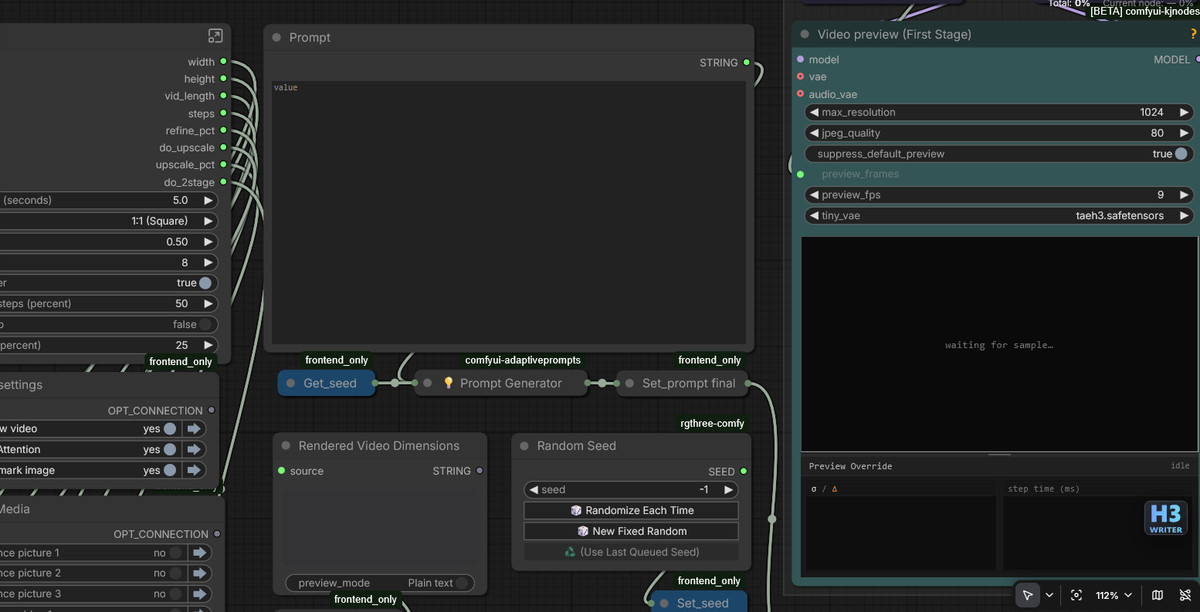
A ComfyUI workflow that combines common H3 tasks such as text-to-video, reference-to-video (REF2VA), and first-last frame (FL2VA) into a single image, featuring an additional two-stage rendering option similar to Wan 2.2.
Images
Reasons for Recommendation
- Two-stage rendering is its main novelty: Action LoRAs and style/detail LoRAs can be applied separately to different stages of rendering. The author claims this mitigates issues where action LoRAs cause blurriness and style LoRAs disrupt audio tracks; a single-stage workflow is also available if preferred.
- Frequently adjusted settings are centralized on one screen, not hidden in subgraphs, allowing easy switching between text-to-video and reference-to-video without changing templates; reproduction information like seeds and prompts is easier to find.
- The workflow includes recipes and guides for different scenarios; it is free, and the license permits selling.
How to Use
- Download h3-daily-grind-v1.zip and import it into ComfyUI; red nodes can either be disabled via switches in the main area or are required custom nodes.
- Beginners should download models using the recommended resource links provided by the author within the workflow, then replace them as needed.
- If using many common LoRAs, enable two-stage rendering and mount action LoRAs and style LoRAs separately; refer to the instructions within the workflow for specific step counts and strengths, as they are not provided on the model page.
Risks and Limitations
- The model page does not list dependent custom nodes or model versions, requiring users to identify them after import.
- Examples consist of 4 images (with 2 sensitive-level images hidden), so final video outputs are not visible.
- The author acknowledges that two-stage rendering is more complex and has a higher learning curve than official templates.
[A] waryusya MiniMaxH3 · epoch10
LoRA · New Model · Author zaizen · Published 11-19 14:14 · Downloads 25
A personal style LoRA trained by illustrator waryusya (Warushya) herself, primarily focused on male character illustrations, used to render H3 videos in this artist's drawing style.
Images

Reasons for Recommendation
- The LoRA is released by the artist herself, ensuring clear provenance; training data is also publicly downloadable.
- The author provides a recommended workflow for video creation: first generate an image using H3 Image, then use it as a reference input for H3, which is more stable than direct text-to-video.
- 2 videos and 3 image examples are all visible and free.
How to Use
- Include the trigger word waryusya in the prompt.
- For video creation, first generate a starting image with H3 Image, then proceed through the reference image workflow.
- The author did not provide strength or step count recommendations.
Risks and Limitations
- The author prohibits commercial use, impersonation, and redistribution; the license only permits rental-type uses.
- Some files failed or have incomplete security scans; please check before downloading.
- This is a single version from epoch 10, and the author did not specify training parameters.
Trigger Word: waryusya
Worth Watching (1)
[B] KinetiX Impact Frame & Screen Flash Series · VFX Sandevistan Strobe V1
LoRA · Version Update · Author make676767 · Published 11-19 16:27 · Downloads 1 · Paid
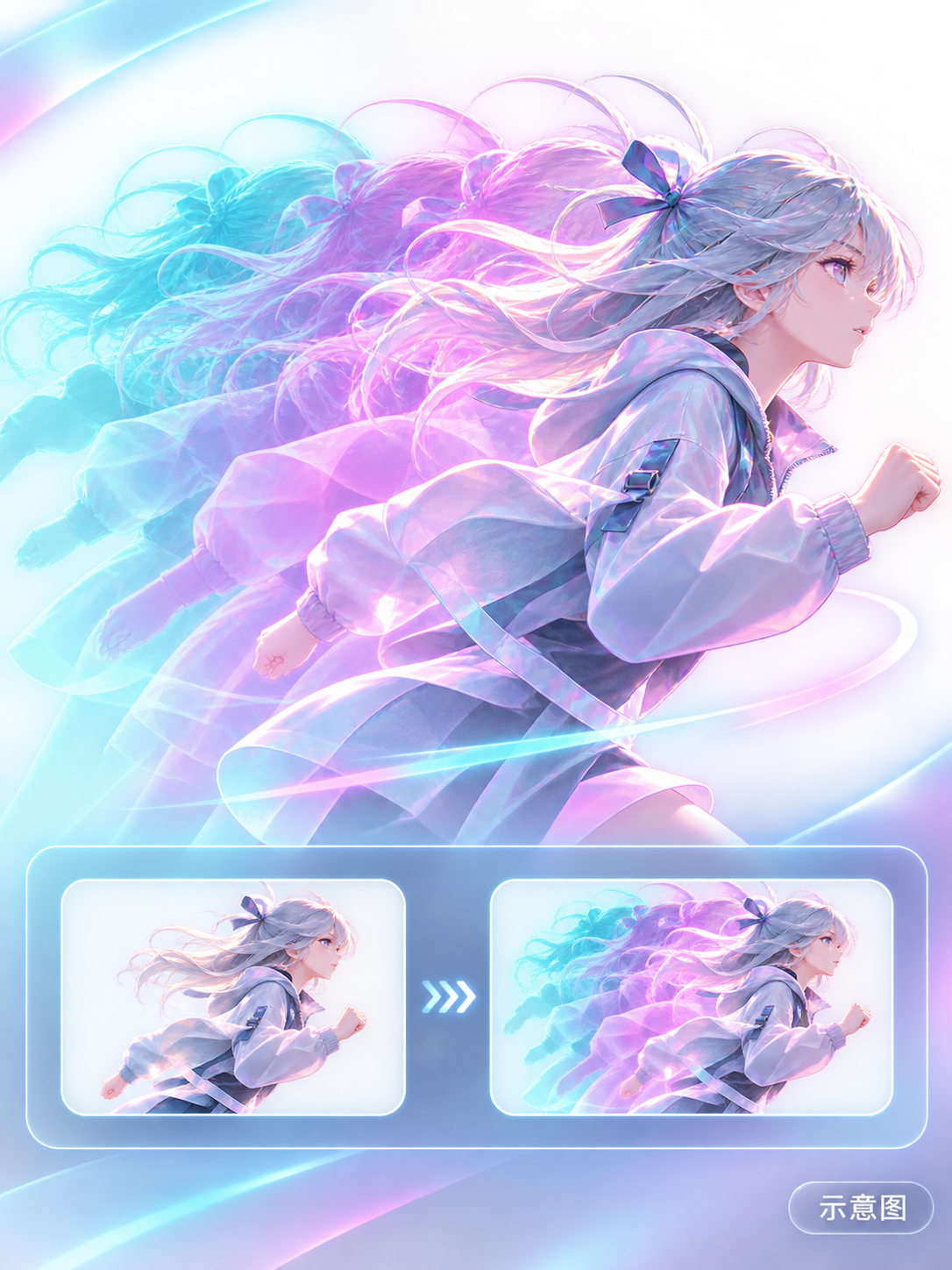
KinetiX's new Sandevistan strobe slider for their VFX series: Positive weights add full-screen RGB chromatic aberration bursts and cyan-magenta translucent afterimages during dashes and dodges, merging back into a solid entity upon recovery; negative weights remove trails and flickering.
Images
Reasons for Recommendation
- This is the third version in the series, offering different effects from the previous two (impact frame white flash and X-ray bone flash); the version notes detail four mechanisms: strobe impact, spectral afterimages, recovery merging, and reverse locking.
- The author provides complete weight ranges: +1.0 to +1.4 for standard use, +1.8 to +2.2 for strong Cyberpunk: Edgerunners-style effects, -1.0 to -2.0 to remove afterimages, along with copy-pasteable scene prompts.
- Serves high-speed dash and blink shots in action films and cyberpunk themes.
How to Use
- No trigger word; load KinetiX_vfx_sandevistan_strobe_h3_pro_v1 and control via weights: start with +1.0 to +1.4, use +1.8 to +2.2 for intense effects.
- For clean dash shots without trails, use -1.5 (the author's Scene 4 notation).
- Includes a workflow resource pack; specify dash, dodge actions, and recovery pauses clearly in the prompt.
Risks and Limitations
- Paid download.
- All 4 examples are sensitive-level and hidden, so effects cannot be seen.
- All effect descriptions are based on author claims.
- The card image is an AI-generated diagram, not the actual model output; the author has no publicly available non-sensitive examples.
Listed Only (3)
- minimax h3 multi-reference _first-last frame video generation · v1.0 — Workflow: A ComfyUI workflow for H3 multi-reference and first-last frame video generation, using switches within a single image to toggle reference materials and modes.
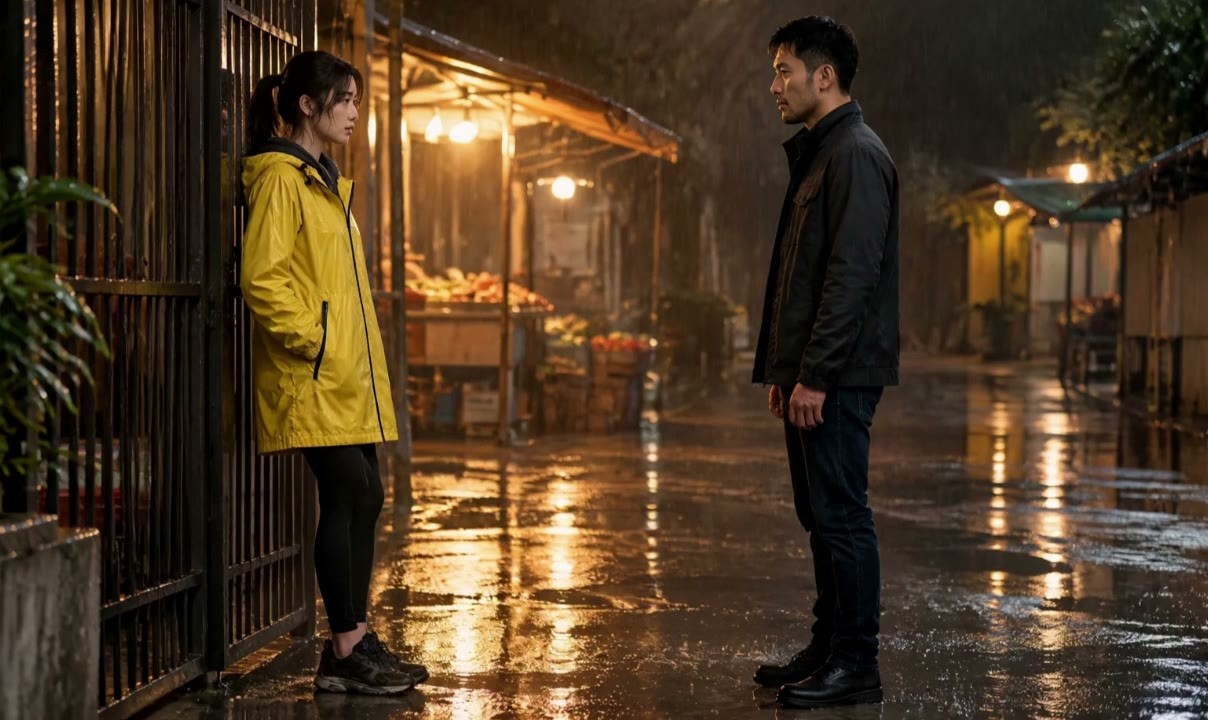
- Darcey Von Vergin · MiniMaxH3 — LoRA: A character LoRA for the fictional female character Darcey Von Vergin, H3 video version.
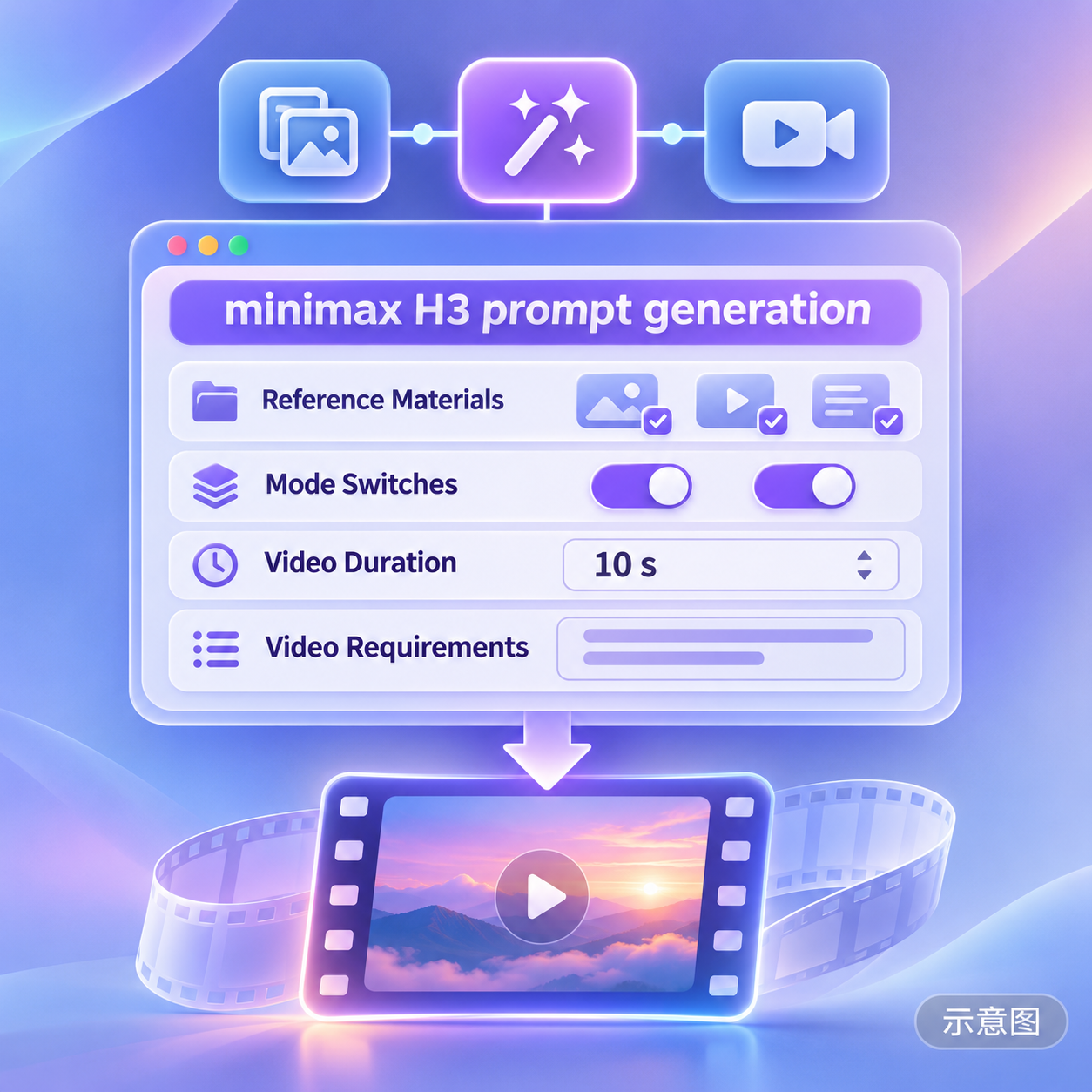
- minimax H3 prompt generation · v1.0 — Workflow: A ComfyUI workflow for writing video prompts for H3: toggle reference materials and modes, fill in duration and visual requirements, then generate the prompt.
Data: Civitai public API (base model MiniMax H3), inclusion window 11-19 08:31 → 11-19 21:01 (Beijing Time). Recommendation reasons have been reviewed by editors; download counts reflect popularity only.